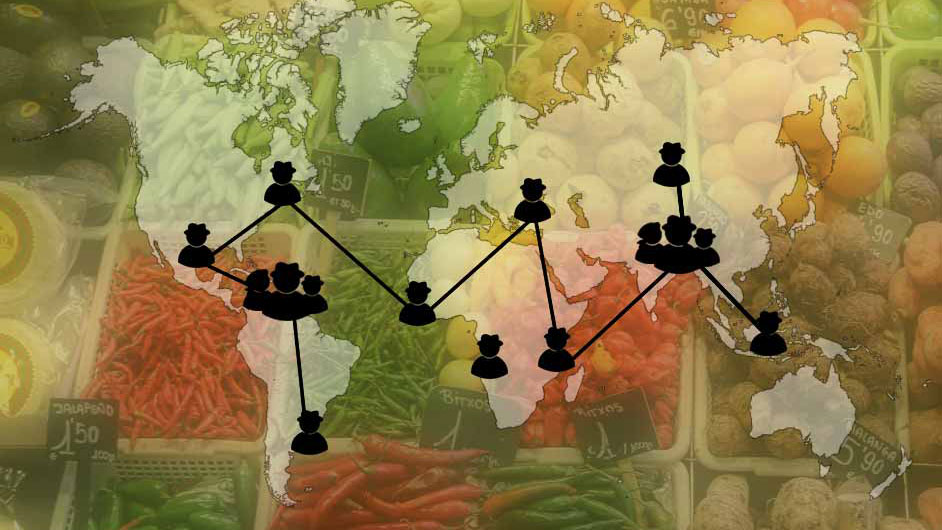
At Kebera Organics, one of our core missions is to break down the barriers that prevent smallholder organic farmers in Uganda from accessing global markets. Thanks to sustained research and innovation, we’re making that mission a reality.
The Challenge: Why It's So Hard for Smallholder Farmers
Organic farmers in Africa, especially in Uganda, face significant obstacles when it comes to global market access. Some of the key challenges include:
- Certification costs: The global organic market requires rigorous certification, documentation, and inspections.
- Contamination risk: Without proper testing, foods can contain mycotoxins (like aflatoxin) or other harmful substances, eroding trust in the value chain.
- Weak traceability: Many producers lack systems to prove product origin, making it harder to meet premium-market demands.
- Fragmented standards: Different regions have different certification systems, and navigating these can be costly and complex.
- Limited technical support: Small-scale farmers often don’t have access to advanced organic inputs (biofertilizers, microbial consortia) or training.
Our Approach: Innovation That Makes a Difference
To address these barriers, Kebera Organics has centered its strategy on research-driven innovation. Here’s how we’re tackling the big challenges:
- Contamination Detection & Traceability We developed a low-cost scanning device that tests for contaminants in crops, water, and soil. It generates data that is tied to individual farmers via QR codes - allowing full traceability from farm to market. This system builds trust and provides verifiable proof of quality for export buyers.
- Participatory Development Rather than impose solutions, we co-create with farmers. This ensures the tools we build are practical, affordable, and relevant to real-world challenges.
- Certification Assistance We link smallholder farmers to certification frameworks and help them maintain compliant practices. This includes data collection and documentation to support audits and inspections. Our model helps lower the cost of certification, a major barrier.
- Market Linkage Support Using the data and traceability infrastructure, we plan to connect farmers to global buyers who value certified, traceable organic produce. We also explore e-commerce and digital marketplaces.
- Capacity Building Training farmers on organic practices, record-keeping, and the use of bio-inputs (like biofertilizers and microbial consortia) is central to our work. These skills are critical to meeting organic standards and scaling sustainably.
The Global Context: Why This Matters
The global organic market is growing. According to market research, rising consumer demand for sustainably produced food, regulatory support, and innovations in traceability are opening up new opportunities. However, many small-scale producers, especially in developing countries, have been left behind - precisely because of the cost, complexity, and lack of infrastructure.
By combining technology, local knowledge, and research, Kebera Organics is helping smallholder farmers leap into global value chains. We’re not just producing organic food - we’re building a trusted, scalable system that meets international standards.
Impact & Vision
- Farmers’ income uplift: By enabling access to premium international markets, farmers can earn significantly more.
- Economic empowerment: Traceability and data build credibility, making it easier to establish long-term buyer relationships.
- Food safety: Contaminant testing lowers the risk and supports safer exports.
- Sustainable growth: With capacity building, farmers adopt resilient, regenerative organic methods.
- Policy influence: Our approach aligns with Uganda’s National Organic Agriculture Policy, which prioritizes cost-effective certification and global market integration.
Call to Action
We believe that innovation is not a luxury - it’s a necessity for inclusive growth in the organic sector. Here’s how you can join us:
- Farmers: Partner with us to pilot our tech and gain market access
- Investors / Donors: Support research and scaling of traceability and testing tools
- Buyers / Exporters: Collaborate to source traceable, certified organic produce from Uganda
- Policymakers / NGOs: Work with us to strengthen organic frameworks and infrastructure